
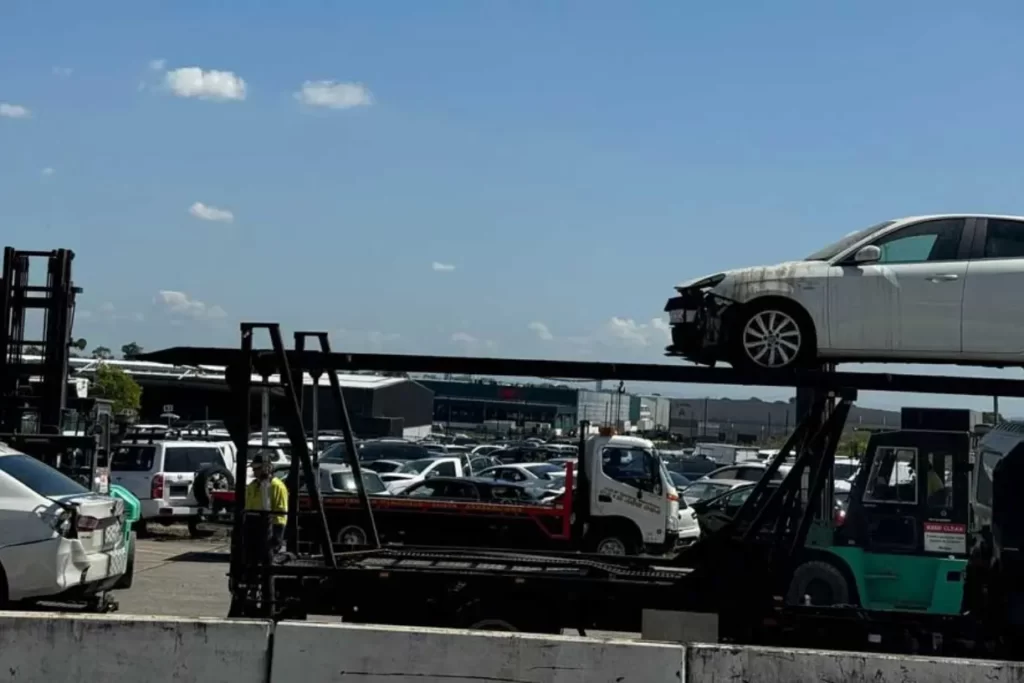
The Vehicle Dismantling Process in Queenstown follows a regulated, environmentally focused system designed to recover materials, reduce waste, and protect the Queenstown Lakes ecosystem. Licensed dismantlers handle end of life vehicles using structured steps that meet New Zealand environmental standards while supporting the local auto parts market.
For vehicle owners and workshops seeking responsible disposal or reliable used parts, this process plays a critical role in sustainability and cost control. Access to quality recycled components also supports nearby regions through trusted suppliers.
Explore Quality Used Auto Parts
How Vehicle Dismantling Starts in Queenstown
The dismantling process begins with vehicle acquisition. Cars arrive through private sellers, insurance write offs, fleet upgrades, or auctions. Each vehicle is logged and inspected before any work begins. This step determines whether parts are suitable for resale or recycling.
Assessment includes engine checks, structural condition, and component viability. Operators use inspection sheets to document recoverable parts and hazardous materials. This early screening improves efficiency and reduces environmental risk.
Fluid Removal and Hazard Control
Fluid extraction is one of the most critical stages in the Vehicle Dismantling Process in Queenstown. Oils, fuel, brake fluid, and coolants are removed using sealed systems to prevent leaks.
Key fluids handled at this stage include:
- Engine oil and transmission fluid collected for recycling
- Petrol and diesel safely drained and processed
- Coolants and brake fluids treated as controlled waste
Proper fluid management prevents soil and water contamination, which is especially important near Queenstown’s lakes and alpine environment.
Parts Recovery and Quality Testing
After depollution, technicians remove reusable components. Interiors are stripped first, followed by mechanical and electrical parts. Each item is cleaned, tested, tagged, and stored for resale.
Engine and Mechanical Components
Engines, gearboxes, alternators, and suspension parts are tested for performance. Only functional components enter resale channels, which supports affordability for vehicle repairs across Otago.
Electrical and Interior Parts
ECUs, sensors, dashboards, and seating are removed carefully to avoid damage. Demand for these parts remains high due to rising new part costs.
Metal Recovery and Recycling
Once all usable parts are removed, the remaining vehicle shell is crushed and sent for metal recovery. Steel and aluminum account for most of a car’s weight and are recycled at rates close to 95 percent.
Recycling metals reduces demand for raw mining, lowers energy use, and cuts greenhouse gas emissions. Queenstown dismantlers follow strict waste tracking to ensure materials are processed responsibly.
Read Our Blog on : How Scrap Car Buyers in Dunedin Handle Non-Running or Damaged Vehicles which explains downstream recycling workflows in detail.
Environmental Impact of Vehicle Dismantling
Vehicle dismantling delivers measurable environmental benefits when handled correctly. High recycling rates reduce landfill pressure and protect local biodiversity.
Positive environmental outcomes include:
- Reduced landfill waste through material recovery
- Lower emissions from recycled metals versus new production
- Controlled disposal of hazardous automotive fluids
Risks exist if operators ignore compliance. Fluid leaks and improper storage can harm soil and waterways. Licensed dismantlers mitigate these risks through regulated procedures and audits.
Role of Regulation in Queenstown
Government standards guide every step of the dismantling process. Regulations cover hazardous waste handling, emissions control, and recycling documentation. Compliance protects both workers and the environment while ensuring industry accountability.
Community awareness also plays a role. Choosing licensed dismantlers encourages higher standards and long term sustainability.
Support Responsible Auto Recycling
Conclusion and Local Action
The Vehicle Dismantling Process in Queenstown balances environmental responsibility with economic value. Structured dismantling, high recycling rates, and strict regulation protect the region while supplying affordable auto parts.
For drivers, workshops, and rebuilders seeking dependable recycled components, Dunedin Auto Parts offers tested inventory sourced through responsible dismantling networks.
Frequently Asked Questions
What role does government regulation play in mitigating the environmental impact of car disposal?
Government regulations set standards for fluid handling, waste tracking, and emissions control. These rules reduce pollution risks and ensure dismantlers recycle materials responsibly.
Are there emerging technologies for car disposal in New Zealand?
Yes. Advances include chemical recycling for plastics and improved depollution systems that increase material recovery while lowering environmental impact.
How can communities advocate for sustainable car disposal?
Communities can support licensed dismantlers, report illegal dumping, and promote awareness of recycling benefits through local councils.
Is car dismantling eco friendly in New Zealand?
Car dismantling is considered eco friendly when handled by licensed operators. High recycling rates and controlled waste management significantly reduce environmental harm.
Which wreckers offer quality recycled parts near Queenstown and Otago?
Licensed operators serving Otago supply tested parts, with regional support from established networks in Dunedin that focus on quality assurance and compliance.